Montréal, July 9, 2026 –The Centre québécois du droit de l’environnement (CQDE) is deeply concerned by the federal government’s recent announcements regarding new oil pipeline projects and the de facto abandonment of its climate objectives, at a time when the climate emergency demands strong and immediate action.
In recent days, the federal government has made the following announcements that run completely counter to its international climate obligations:
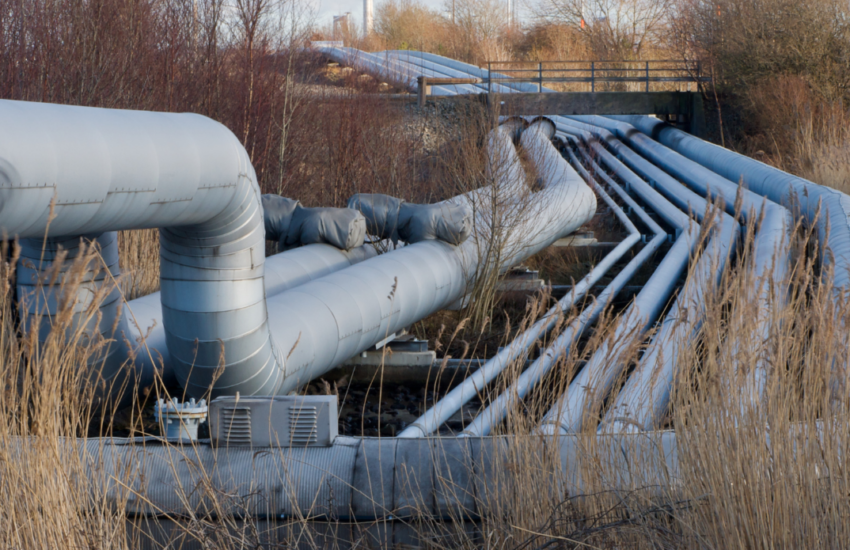
- a new oil pipeline project, to be financed almost entirely with public funds, across the Rocky Mountains between Alberta and the Port of Vancouver, intended to export more oil from the oil sands to Asian markets.
- a natural gas expansion project to the West Coast.
- an admission that these projects will lead to an anticipated increase in Canada’s greenhouse gas emissions in the coming years.
Worrying legal setbacks
These announcements are part of a marked trend of significant environmental rollbacks. One example is the federal government’s passage of the Act respecting national interest projects (C-5), whose legality is being challenged in court by the CQDE – which aims to expedite project approvals by, among other things, allowing environmental legislation to be circumvented. Added to this is the most recent working paper, published this spring, which foreshadows a historic rollback of environmental protections.
“We are witnessing a historic rollback of our legal and democratic protections. The environmental safeguards that took generations to build are being swept away in a matter of months, and it will take years just to get back to square one, while the environmental crisis, for its part, is already taking its toll,” affirms Geneviève Paul, executive director of the CQDE.
Accelerated approvals and public funding for a new oil pipeline
The government has emphasized its intention to designate the pipeline project as being in the “national interest” under the Act respecting national interest projects (C-5), and to finance it with public funds.
This project could thus benefit from both a relaxation of applicable environmental standards and financial support from the government. A project designated under this law would, in fact, receive a fast-track approval process and would allow the government to exempt it from the application of several key federal laws and regulations, or to modify their scope at its discretion.
Potentially internationally wrongful act that is inconsistent with our GHG reduction targets
Canada is in breach of its international obligations regarding the fight against climate change, as outlined in the advisory opinion issued on July 23, 2025, by the International Court of Justice (ICJ). In its advisory opinion, the ICJ clarified states’ obligations to protect the climate system from greenhouse gas emissions, as well as the legal consequences of failing to meet these obligations. The Court asserts that states must act with a high degree of diligence to prevent significant environmental harm. It specifies, in particular, that granting fossil fuel exploration licenses or the provision of fossil fuel subsidies may constitute an internationally wrongful act that engages state liability and gives rise to an obligation to remedy the resulting harm.
Furthermore, Canada has ratified the Paris Agreement and has incorporated several of its obligations into Canadian legislation through the adoption of the Canadian Net-Zero Emissions Accountability Act.. Under this framework, Canada has committed to setting and communicating ambitious national greenhouse gas reduction targets and to taking ambitious national measures to mitigate climate change.
However, recent announcements regarding the anticipated increase in greenhouse gas emissions associated with these new projects clearly indicate that the reduction targets of 45 to 50 percent by 2035 will not be met, which in turn substantially jeopardizes the achievement of the carbon net-zero emissions goal for 2050.
“The scientific consensus is clear: a rapid, deep, and sustained reduction in global greenhouse gas emissions is essential to achieving international climate goals and protecting people. Yet Canada has chosen to increase its oil production. In doing so, it is turning its back on science and the commitments it has made. This defies all logic and common sense, even from an economic standpoint,” decries Geneviève Paul.
For all these reasons, the CQDE calls on the government to immediately reassess its priorities and align its decisions with the climate emergency – both to protect the health and safety of Canadians and to uphold Canada’s credibility on the international stage, at a time when all eyes are on us.
– 30 –