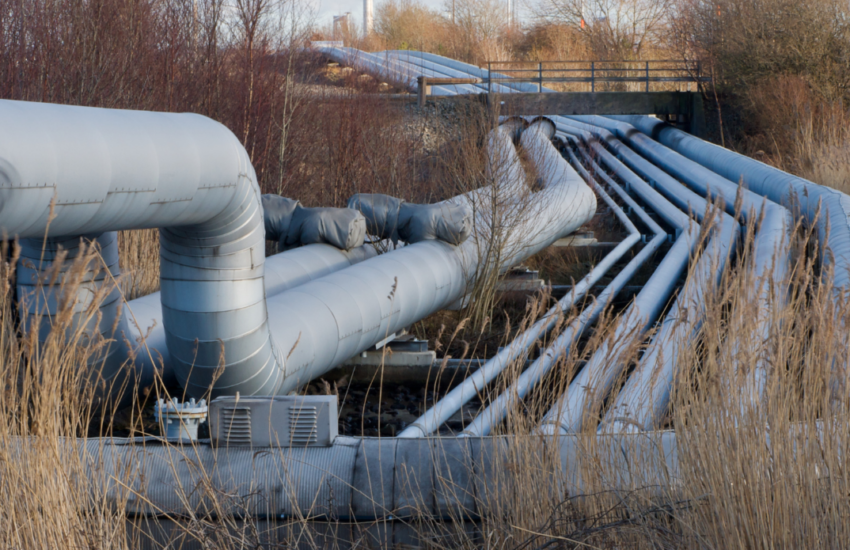
Montréal, September 11, 2026 – he Quebec Environmental Law Centre (CQDE), Nature Québec, SNAP Québec, the David Suzuki Foundation, the Regroupement national des conseils régionaux de l’environnement du Québec, Greenpeace Canada, Fondation Rivières, Eau Secours, and Équiterre strongly condemn the Regulations Amending the Physical Activities Regulations ( specifically “Project List”) published last Thursday, which allow a range of projects posing high social, environmental, and economic risks (interprovincial pipelines, oil and gas facilities in national parks or protected areas, etc.) to no longer be subject to the Impact Assessment Act (IAA). Only the Canadian Energy Regulator (CER) is now responsible for assessing these projects.
The removal of the Impact Assessment Agency of Canada (IAAC) eliminates the external perspective of an organization that, unlike the CER, does not maintain an ongoing relationship with project proponents and the energy sector. The signatories condemn this decision, which significantly weakens the federal impact assessment process and carries significant risks of underestimating the environmental, social, and economic impacts of these projects.
“Let’s be clear: this is not about eliminating duplication. What is being removed today is not administrative redundancy, it is the safeguards we have collectively put in place to make informed and enlightened choices and ensure the protection of the public,” state the signatory organizations.
What the Regulations Change
The amendments remove several categories of activities from the Project List that were previously subject to the IAA, including
- international and interprovincial pipelines
- international and interprovincial power transmission lines
- certain offshore renewable energy projects regulated by the CER
- oil and gas facilities located in national parks or protected areas and regulated by the CER
- in-situ oil sands extraction facilities
- fossil fuel-fired power plants
In practice, energy projects falling under the Canadian Energy Regulator Act, such as pipelines, power transmission lines, and certain offshore projects, are now assessed solely by the CER, acting on its own. The integrated review panel, which until now had included both the IAACand the CER, has been eliminated for these projects.
A Limited Assessment
By removing the IAACfrom the process and entrusting the review of energy projects to a single sector-specific regulatory body, the very nature of the process risks changing from an integrated assessment that examines a project’s overall relevance to the public interest to a review focused more on technical regulatory issues such as route selection, technology, and operating parameters. Broader questions about the very relevance of certain projects and their cumulative impacts on affected communities risk being pushed to the sidelines.
Weakened Public and Indigenous Participation
Although the CER provides for its own hearing and consultation mechanisms, meaningful public participation, respect for the rights of Indigenous peoples, and environmental protection lie at the very heart of the mandate and expertise of the Impact Assessment Agency of Canada. By removing the Agency from the equation, there is a serious risk that the process will become less accessible to the public and to Indigenous peoples potentially affected by these projects.
“It was precisely to ensure greater distance from the fossil fuel industry and to address serious obstacles, particularly to public participation, that the process was overhauled a few years ago,” the signatory organizations emphasize.
An Unjustified and Unfounded Measure
These projects were already subject to a single integrated impact assessment, conducted by a joint review panel of the IAACand the CER.
The signatory organizations believe this decision is fully in line with a series of measures taken by the federal government over the past months, which weaken public protections and pave the way for new environmental, social, and economic fiasco.
-30-
Signatory organizations:
Quebec Environmental Law Centre (CQDE)
Eau Secours
Équiterre
David Suzuki Foundation
Fondation Rivières
Greenpeace Canada
Nature Québec
Regroupement national des conseils régionaux de l’environnement du Québec
SNAP Québec